
Last week I wrote about how anxiety is affecting parenting by sharing the shift that I have seen in my 30 years of working with families. This week I want to outline what I think are some key buffers against parental and (by extension) kid anxiety. In light of the shootings this past week, it feels like I should be addressing the topic of how do you reassure children they are safe, but I still go back to my observation that the younger the child, the more the fears are the old ones that have always been there—being separated from one’s parent, fear of the dark and later fear of being made fun of. Addressing children’s fears is an important topic, but today I am going to stay focused on keeping your own parental anxieties at bay.
Read MoreAccording to the National Survey of Children’s Health, anxiety among children 6-17 is steadily on the rise. Data from 2011-2012 found that 1 in 20 US children has an anxiety diagnosis. That represents a statistically significant increase since the 2003 data; and one can only imagine that were the same data taken in 2018 that there would be a further increase. The numbers only go up with adulthood: 18.1% of the over 18 population every year is found to have an anxiety disorder (This includes anxiety diagnoses like OCD and social anxiety in addition to General Anxiety Disorders, making it the most common mental illness in the U.S.). Data on whether or not rates of anxiety have increased in general in the United States are inconclusive. But from my own experience, that was one of the main reasons I made a shift from teaching kids to supporting parents, and I think my experience sheds light on what is typical.

Read MoreTHAT CHILD IS A BULLY!
Have you ever written off a child in your neighborhood or at your child's school as a bully? It is easy as parents for us to get defensive and judgmental. Bullying sets parents off and strikes a very sensitive chord, but lots of what we fear is bullying is normal interactions among kids—they just need the skills and the example to use it.
Read MoreIn talking to parents this summer, one of the comments I have heard a lot is some theme or variation on how much better the children’s behavior is during the summer compared to the school year. In other words, children who have enough downtime and sleep and fewer demands put on them, are more likely to cheerfully and cooperatively engage in family life.
Children will be happier, healthier and more ready to learn with less hectic schedules and fewer demands put upon them. READ ON for some ways to create that for your kids.
Read MoreAs there is more and more artificial intelligence (AI) in the world, there is more need than ever for little humans to learn Emotional Intelligence. Play is a tremendous vehicle for one’s own and others’ emotions. Being able to relate emotionally allows kids to function in school more effectively and therefore to be more ready for learning.
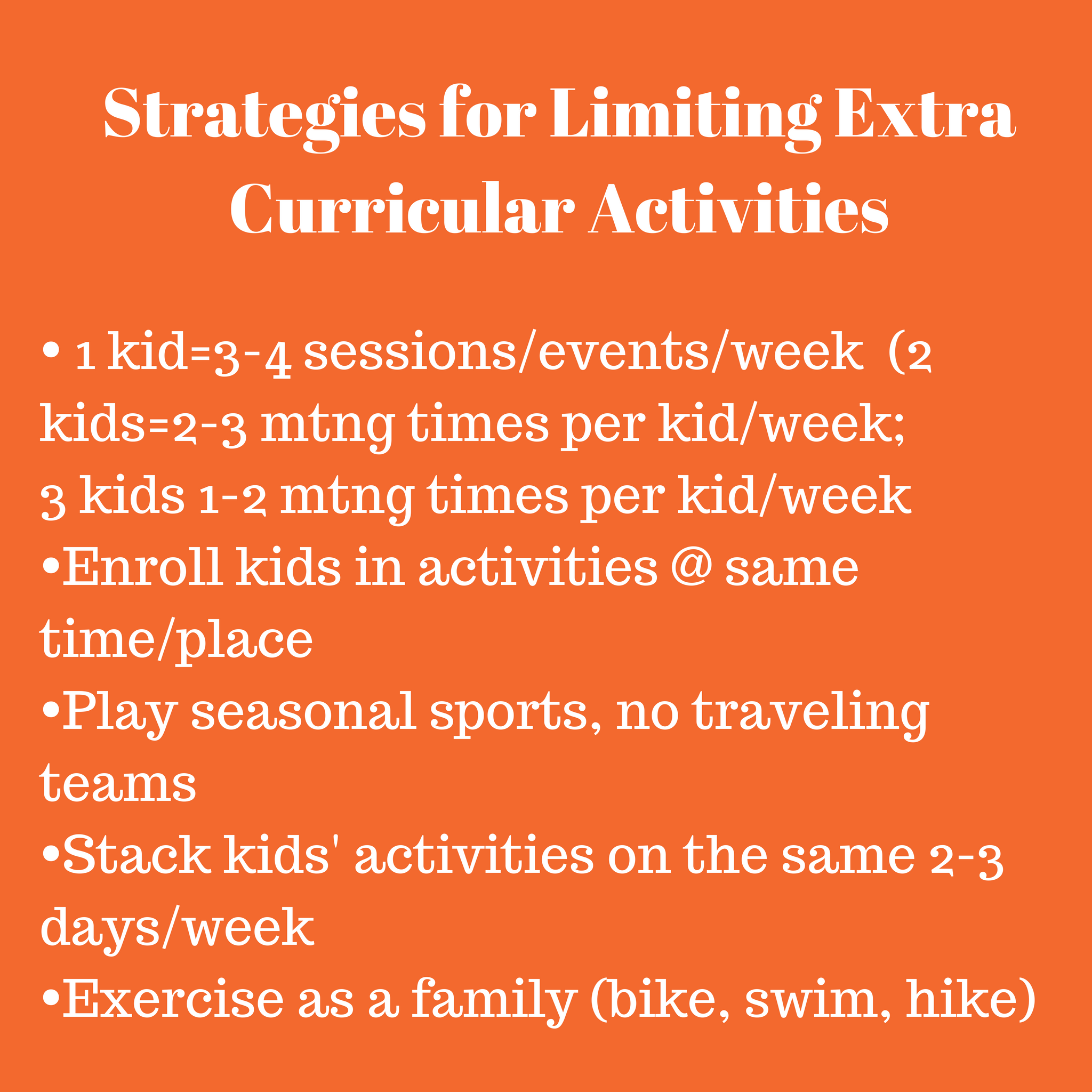
Read MoreAll parents want their kids to be smart. To support their children’s development they have enrolled their kids in more and more extra curricular activities. The irony is that these activities take up kids’ play time, and parents are grossly undervaluing the benefit of play to children’s cognitive development. You might be surprised by some of the ways that play builds both perception and critical thinking skills.
Read MoreLast night in my yoga class, the instructor asked us to dedicate our practice to being more playful. That got me to thinking about the power of playfulness in parenting. When I got home, I went to the Joyful Parenting Website and searched “play.” Twenty blogs came up in which I mention the power of play and being a playful parent. That tells me what an important role I think play plays (ha ha, pun intended) for happy children and a happy home life. That being said, I realize I’ve never devoted an entire blog to the Importance of Play.
I do that here AND teach two playful techniques you can put to work in your family today.
Read MoreWhen it comes to “spoiling,” this is when I see problems:
- Parents deny their children something only to give in in the face of whiny, petulant, disruptive behavior.
- Parents give their children everything always, so children never learn to handle disappointment.
- Parents give their children everything always, so children develop a warped sense of entitlement and fail to recognize the difference between needs and wants.
Read on to find out the solutions.
Read MoreTeasing out what are the effects of child care--especially long term--on children is no easy task and, yet, is understandably one that has an enormous effect not only on our own children but also on society as a whole. The truth is, researchers don't really know whether or how much childcare might be hurting us. Here are my ideas.
Read MoreYou've Got the ABC's Covered and the 123's Down. But Increasingly, research shows the importance of Emotional Intelligence--and you are the person best suited to teaching it.
Emotional intelligence is being able to recognize a wide range of nuanced emotions, and recognizing them, being able to regulate them and put them in perspective in a way that helps the individual move through life more easily.
In my long experience in working with children, emotional intelligence can absolutely be developed. The most important way in which it is developed is through interactions with thoughtful adults who are modeling and guiding kids in dealing with their feelings.
This blog shares some common behaviors of parents whose kids display emotional intelligence.
AND IF YOU ARE CURIOUS ABOUT HOW TO BOOST YOUR OWN EQ, CHECK OUT THIS BLOG ON "How can we use NLP to build Emotional Intelligence?"
Read MoreIs it potato chips and soda making kids obese? Maybe not! While a healthy diet is important, of course, new research by Dr. Asheley Cockerel Skinner of the University of North Carolina (Chapel Hill) finds that “it is becoming increasingly obvious that the lack of physical exercise in children is the main culprit in the startling rise of childhood obesity, heart disease, diabetes, and all other types of preventable medical conditions.”
If you are sick of nagging and arguing about it, here are some sneaky ways to assure your kids move their bodies without focusing on it being “exercise.”
Read MoreAt the end of the day, family is about being together and feeling like a connected unit. With very little time in the week left over for parenting and family time, it is essential to be deliberate about the choices you make for your family--both by protecting the time you do have together and by making sure that time is quality time. Here are some tips on how to do that.
Read MoreHave you heard the cry of,
OMG, YOU ARE SO EMBARRASSING!
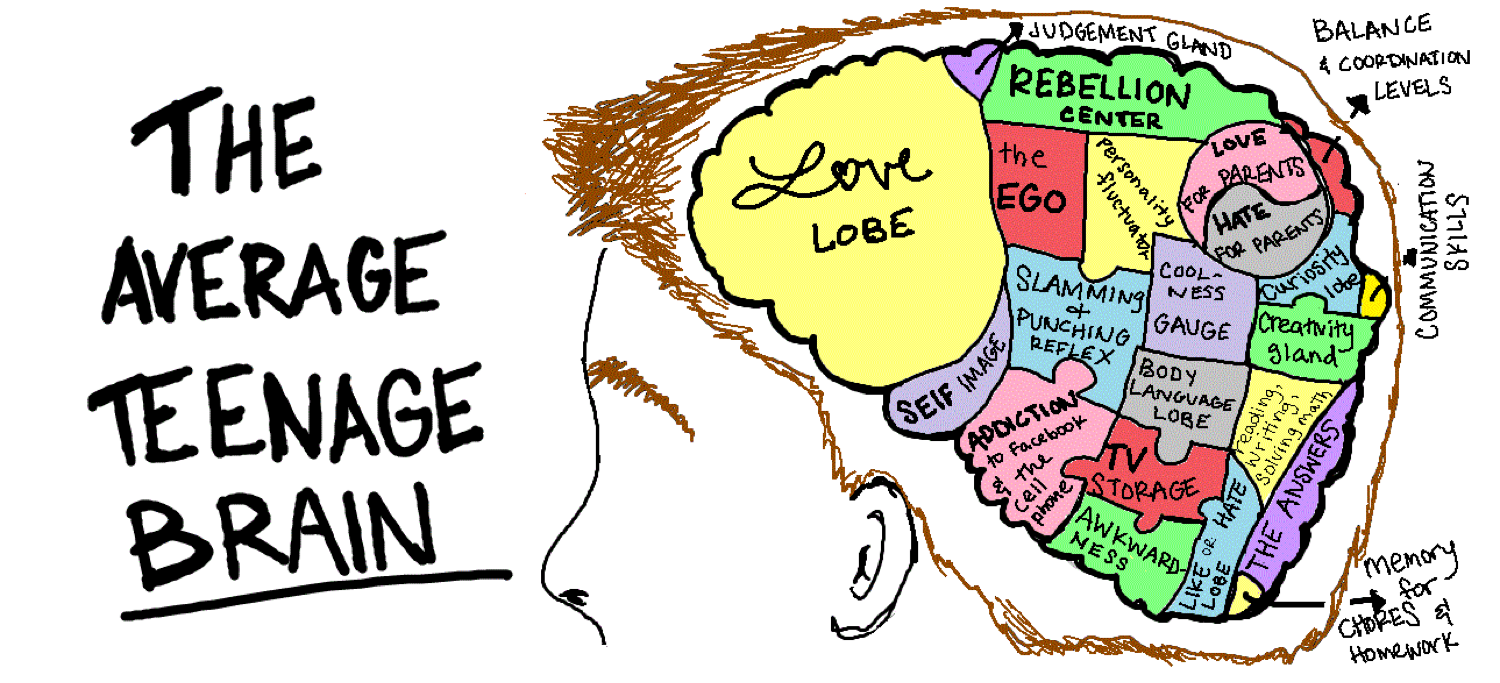
Has your young teen shifted from skipping down the street holding your hand to acting as if you have the plague? Such behavior is so teen-movie, situational-sitcom cliché we almost don't fully expect it to happen to us. But if your child is developing normally and as he needs to do, he will have that moment when he acts as if you are an alien creature he has never seen before.
Your frontal cortex is fully formed: You have the big picture and long-term perspective. That makes it your job to keep calm and parent on. Repeating the mantra, This is a stage, it will pass, and it has nothing to do with me personally, it will help.
Read More
Tyler Jacobson, today's guest blogger who writes about the struggle to find the balance between protecting our kids without falling into helicopter parenting, is a proud father, husband, writer and outreach specialist with experience helping parents and organizations that help troubled teen boys. Tyler has focused on helping through honest advice and humor on modern day parenting, struggles in school, the impact of social media, addiction, mental disorders, and issues facing teenagers now. Follow Tyler on Twitter | Linkedin
Read MoreA client called frustrated because she had offered her 7th grader a bribe to do something she really wanted him to do that he was digging his heels in on, and now he was demanding that she give him something every time she asked him to do anything at all. That's a problem!
Read MoreIsn’t that the truth! Parenting gets so exponentially harder when we are in a hurry or are tired. That’s why I’m such a big believer in creating systems and routines for as much of the day as we can. When we have good systems and routines to fall back on, we can let habit lead us.
Read MoreKnowing our kids are happy at school allows us to drop them off with confidence and get on with our day. When our child refuses to go to school, then we are filled with doubt and insecurity and our hands feel tied, knowing it is not as simple as changing schools or teachers. What can you do to help your child feel good about his teacher?
11 teen suicides in 9 years. In one community. In my community.
How does that happen? Your first answer might be to blame the parents. Where were they? Didn't they know they were putting too much pressure on their son? Why didn't they do something?
But it's not that simple.
Sure, it is your job to protect your children? But are you being too over protective? And if you are, what is the cost of that to both your younger kids and to teens? And what can you do about being overprotective?
Read More