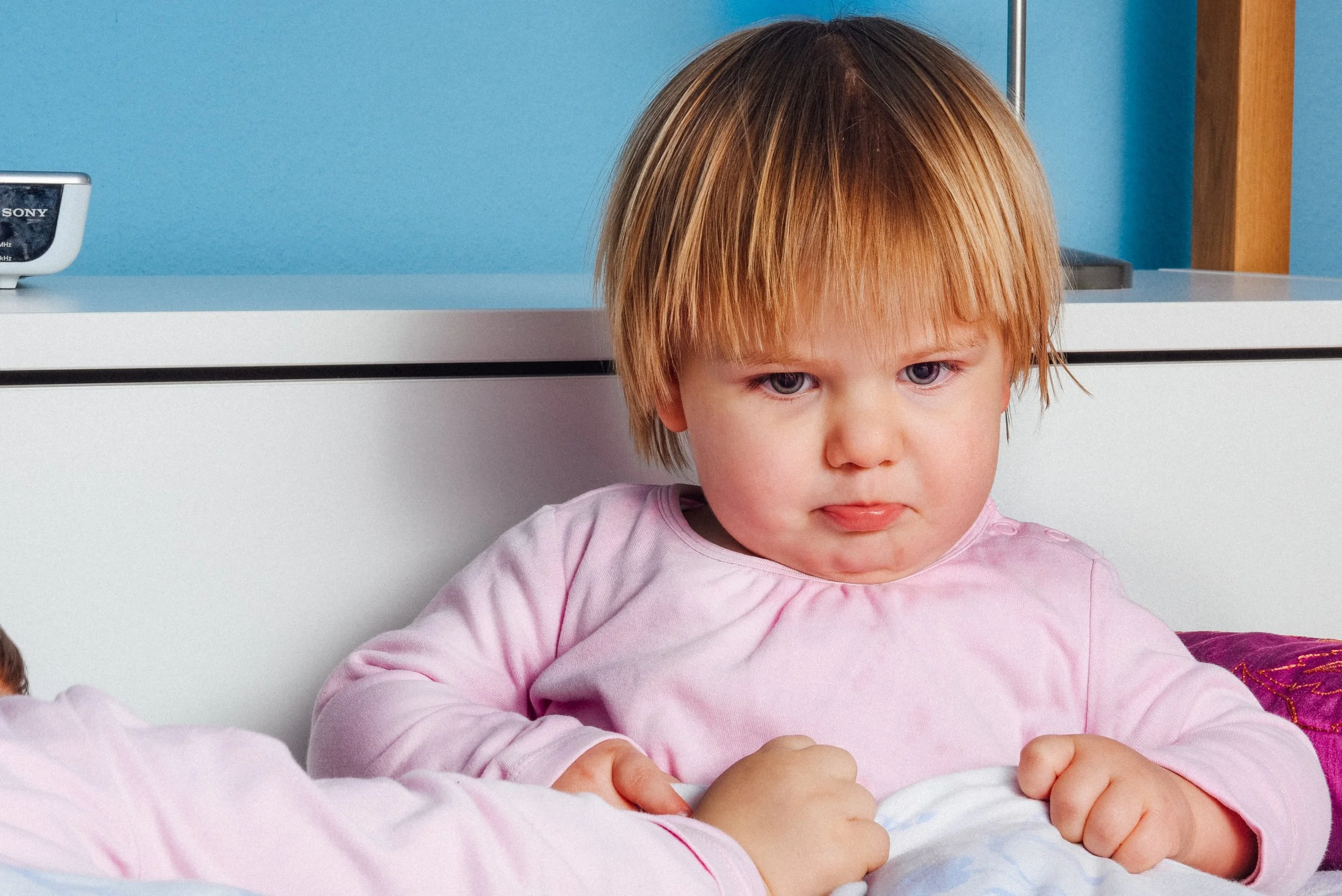
We all know the reasons our tempers are short—we’re tired, stressed out and too often pushed to the wall. And then our kids—who should know better—argue, talk back, give us black looks or just ignore us altogether. No wonder we want to shake them silly.
This week I listened to a podcast that got me thinking. The speaker's argument was that when we choose the hard way directly, life is easier in the long run.
Are you a compassionate friend? Do you urge your friends to put their mistakes into perspective and to not be so hard on themselves? How about when it comes to yourself? What makes it hard for you to practice self-compasion?
In Part I of Should You Make Your Kid Apologize, I looked at what it means as adults when we apologize. I took the time for that discussion to help parents realize the implications of when and why we apologize. Yes, I do think it is important that we teach children to apologize, but we have to go beyond a hollow apology by supporting our kids’ emotional growth.
That’s a tricky question! There is no doubt that our children need to understand the idea of an apology but given that there are different kinds of apologies for different situations, teaching our children to offer an apology is not a straight forward task. It certainly won’t be taught with a simple rule. Or with a single iteration. Let’s consider the nature of apologies and where our own practice lines up with our expectations of our children.
Are you concerned that you are a helicopter or lawn mower parent? Do you know that you are one but don’t know what to do differently? One of my favorite techniques for giving our kids some space and encouraging some independent thinking is What’s your plan for that? Instead of mapping out how our child should tackle a homework assignment or chore or even a conflict with a friend, we give the problem to them for consideration. Of course, if they are floundering too much, we step in and help with some course correction (but resist the urge to take over!)
Last week I wrote about how anxiety is affecting parenting by sharing the shift that I have seen in my 30 years of working with families. This week I want to outline what I think are some key buffers against parental and (by extension) kid anxiety. In light of the shootings this past week, it feels like I should be addressing the topic of how do you reassure children they are safe, but I still go back to my observation that the younger the child, the more the fears are the old ones that have always been there—being separated from one’s parent, fear of the dark and later fear of being made fun of. Addressing children’s fears is an important topic, but today I am going to stay focused on keeping your own parental anxieties at bay.
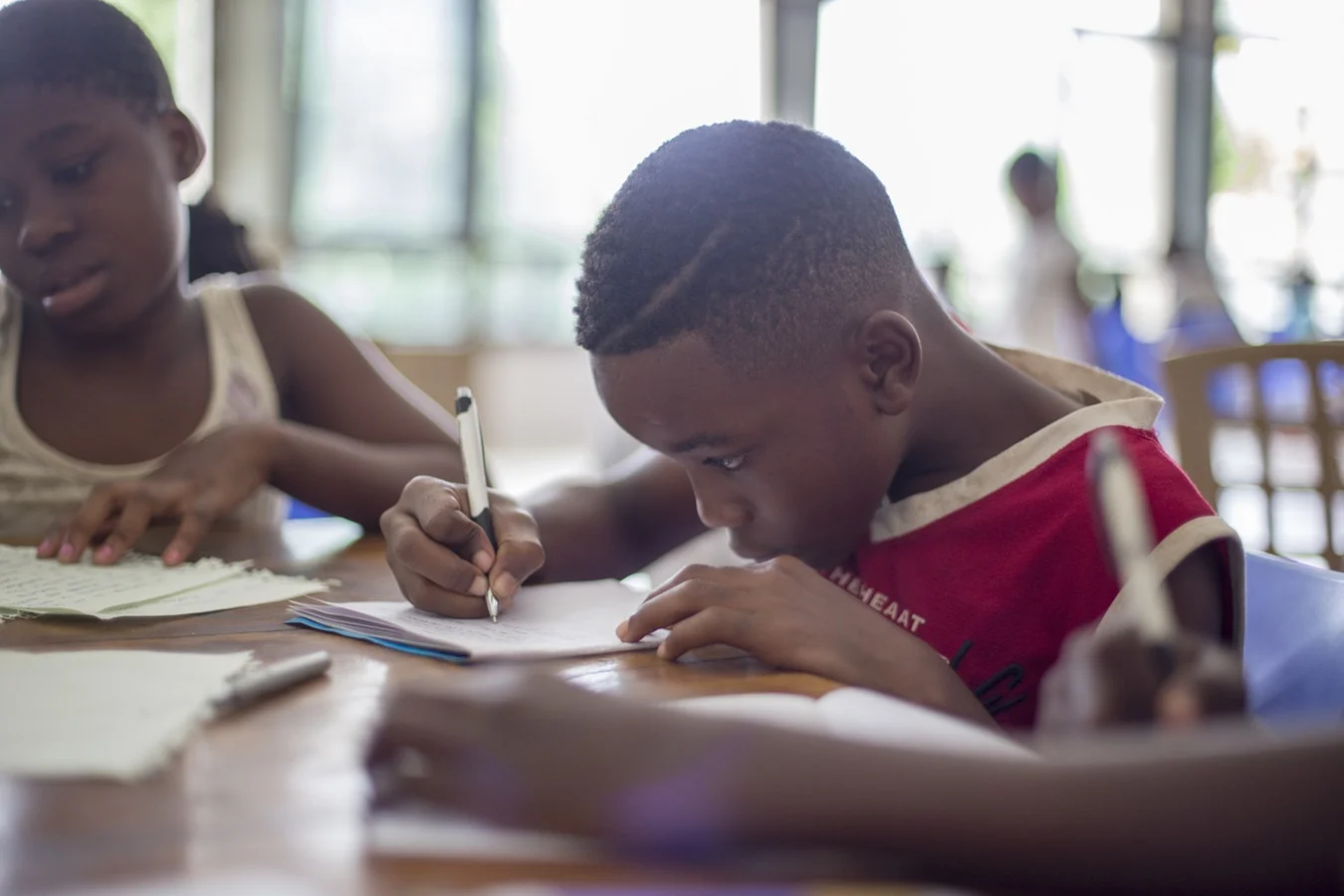
Once the shine of the new school year wears off, it is time to settle into the routine of school. Here are steps for helping your child figure out how to handle the homework the teacher’s give her. Aid her in problem solving but recognize that if you tell your child how and when to do her homework, chances are it won’t work. At this stage, it is more important to help her develop her own tools for managing her work.
Have you ever written off a child in your neighborhood or at your child's school as a bully? It is easy as parents for us to get defensive and judgmental. Bullying sets parents off and strikes a very sensitive chord, but lots of what we fear is bullying is normal interactions among kids—they just need the skills and the example to use it.
Happy to be included among the experts sharing their tips in this article on healthy eating. One other tip, not shared here, that a nutritionist gave me was Only feed your kids at the table. That's one I wish I had learned when my daughter was a toddler. That means no mindless snacking while in the car or on the couch. I know my own health would be better if I followed that rule (and I would probably add to that, no mindless eating while scrolling through Facebook or checking your email). Read HERE for some more great tips on getting your kids in the habit of healthy eating.
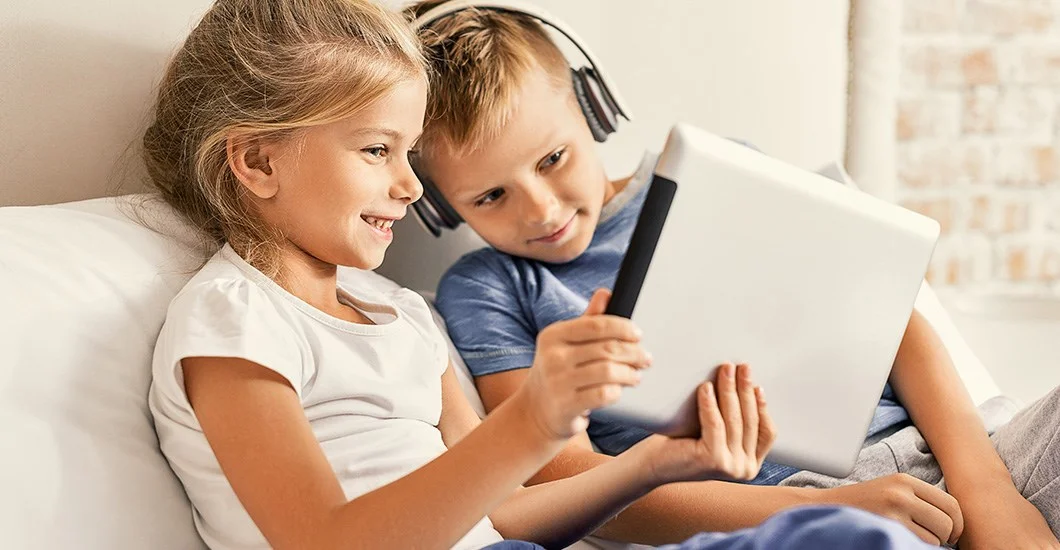
Among the reasons that electronics and screen time is problematic is that kids are on their devices when they would otherwise be doing something physical. Fortunately, parents can use fun physical activities as a draw to get kids away from too much screen time. Check out some of these ideas from some other experts and me on how to do that in this blog by Hania Syed of mydeal.com.au. Personally, I find it easier to provide attractive alternatives than to have a lot of rules about when and how long their kids can be on their cell phones or iPads. Of course you may still need to have firm limits, but it is much easier to get kids excited about some kind of project--especially when you are right there doing it with them--than arguing whether they can play just one more game or write one more post. Click HERE to read on.
In talking to parents this summer, one of the comments I have heard a lot is some theme or variation on how much better the children’s behavior is during the summer compared to the school year. In other words, children who have enough downtime and sleep and fewer demands put on them, are more likely to cheerfully and cooperatively engage in family life.
Children will be happier, healthier and more ready to learn with less hectic schedules and fewer demands put upon them. READ ON for some ways to create that for your kids.
One of the great things about summer and school being out is being able to take your kids on more outings. Some parents, however, find getting their kids to leave the beach, the zoo, the park—or wherever you have decided to go—without tears and tantrums so challenging, that they would rather stay home.
Here are some ways to assure that you come home as happy as when you left.
I was happy to contribute to this article on bad habits parents should drop. I had cell phones on my mind--and getting them under control is absolutely important--but I love the points the other 5 contributors make, as well. Probably one will resonate more than the others as being especially hard for you. Focus on that one and consider what kind of plan you can come up for yourself.
Click HERE to see which of the 6 Bad Habits Parents Should Drop you fall prey to.
Penn State reported in 2015 in a 7-year longitudinal study that “Parents who have better co-parenting relations feel more supported and confident, less stressed and depressed and they show more warmth and patience with their children” (19 January 2015). I love this! So many parents ask me how to keep their temper when they are overwhelmed. This study shows that having the articulated support of your parenting partner buffets you against stress and being at the end of your rope.
Want your partner to responding lovingly and warmly to your parenting ideas? Start by creating connection with ACTIVE LISTENING.
One of the chief ways in which a child learns to be a good friend is through hours of interactions with friends and potential friends. In fact, aside from reading, friendship might be the primary task of the lower elementary--even more important than any math or science skills kids learn as the primary of act of being human is to be social. Our adult health and happiness is closely related to having good friends to support us.
As there is more and more artificial intelligence (AI) in the world, there is more need than ever for little humans to learn Emotional Intelligence. Play is a tremendous vehicle for one’s own and others’ emotions. Being able to relate emotionally allows kids to function in school more effectively and therefore to be more ready for learning.
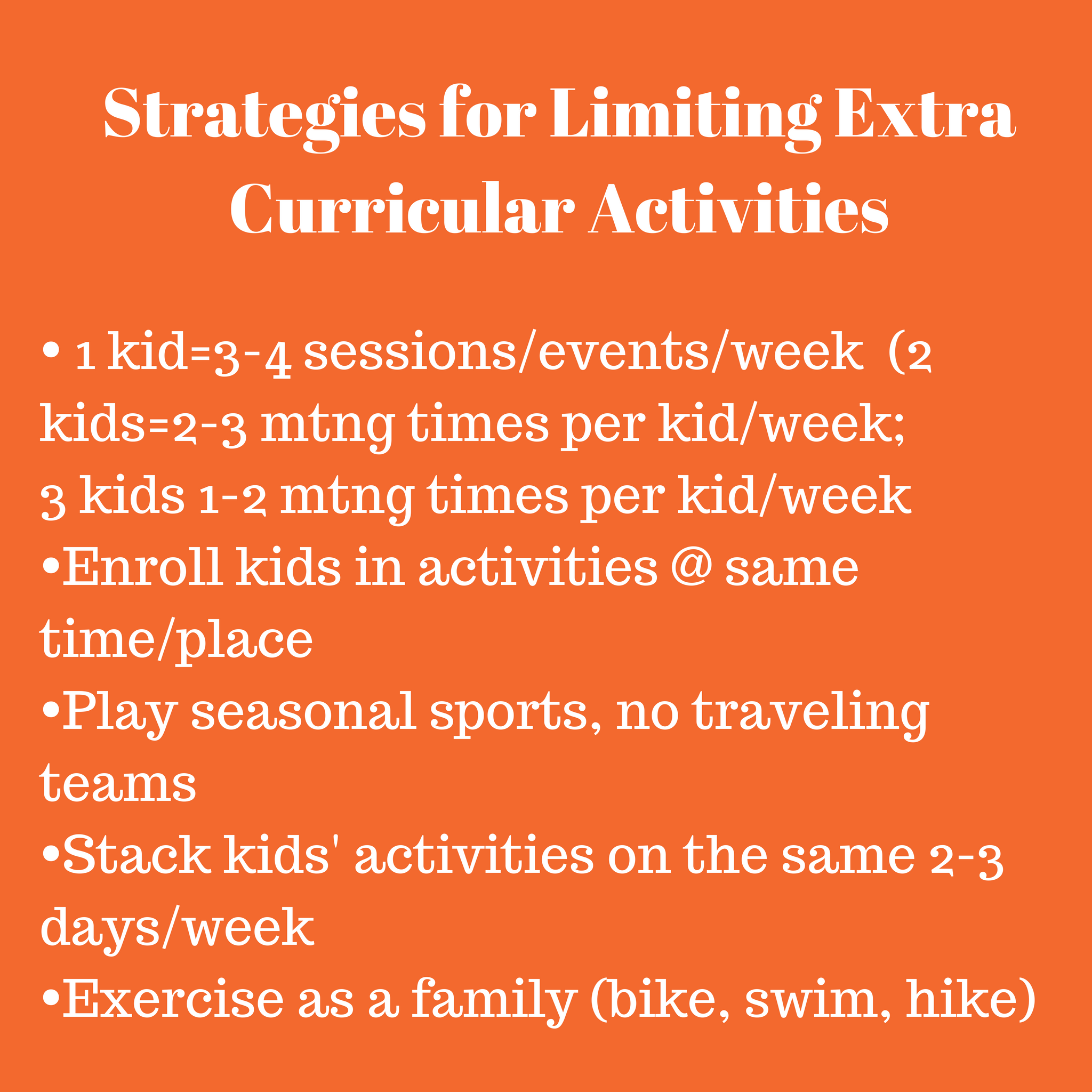
All parents want their kids to be smart. To support their children’s development they have enrolled their kids in more and more extra curricular activities. The irony is that these activities take up kids’ play time, and parents are grossly undervaluing the benefit of play to children’s cognitive development. You might be surprised by some of the ways that play builds both perception and critical thinking skills.